
*Unabhängig bewertet von 
of silk by-products utilised till date
of CO2 eq emissions removed till date
of wild marine fish saved till date
for silk reelers & aqua farmers
of agricultural land saved till date
of fresh water saved till date

At Loopworm, social impact, sustainability, and growth aren’t trade-offs. It is the competitive edge that makes our business thrive. People, planet, and profit don’t pull against each other here. They compound.
We believe in the Earth’s abundance and that our future generations should inherit these treasures intact. And nature already presents a blueprint to do so in the form of insekten. Loopworm is built on unlocking their limitless potential to create protein solutions for nutrition and life sciences.
Our impact runs across the chain:
This is just the beginning. With our silkworm protein platform, producing recombinant proteins becomes faster, leaner, and more affordable. Through our nature-inspired infrastructure for protein production, we are ensuring future pandemic preparedness and accessible healthcare. We are also removing the capital and infrastructure barriers that keep life-saving biologics concentrated in wealthy markets.
That’s not social impact as an afterthought.
That’s not sustainability as a compromise.
That’s real growth powered by purpose.
At Loopworm, social impact, sustainability, and growth aren’t trade-offs. It is the competitive edge that makes our business thrive. People, planet, and profit don’t pull against each other here. They compound.
We believe in the Earth’s abundance and that our future generations should inherit these treasures intact. And nature already presents a blueprint to do so in the form of insekten. Loopworm is built on unlocking their limitless potential to create protein solutions for nutrition and life sciences.
Our impact runs across the chain:
This is just the beginning. With our silkworm protein platform, producing recombinant proteins becomes faster, leaner, and more affordable. Through our nature-inspired infrastructure for protein production, we are ensuring future pandemic preparedness and accessible healthcare. We are also removing the capital and infrastructure barriers that keep life-saving biologics concentrated in wealthy markets.
That’s not social impact as an afterthought.
That’s not sustainability as a compromise.
That’s real growth powered by purpose.
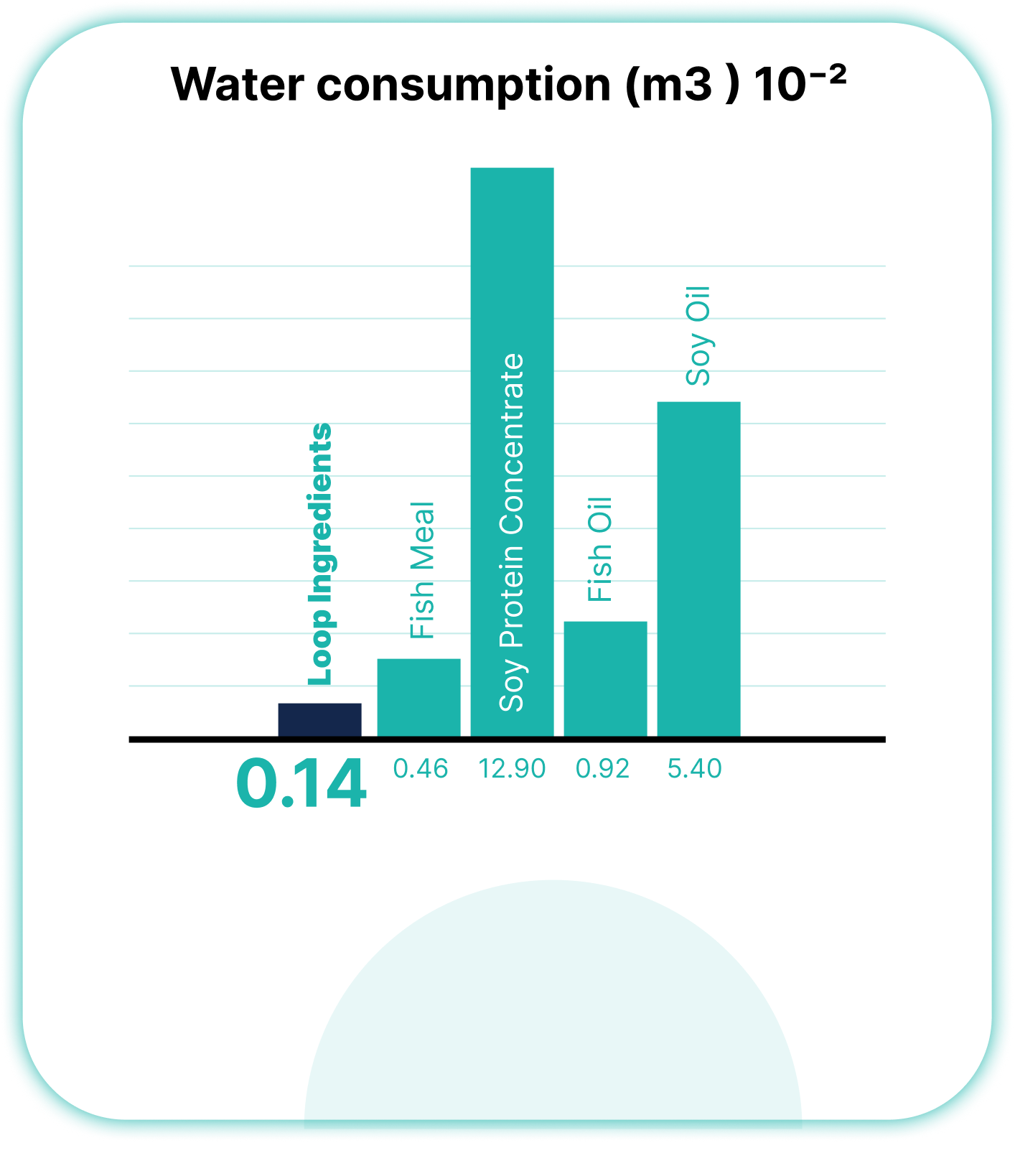
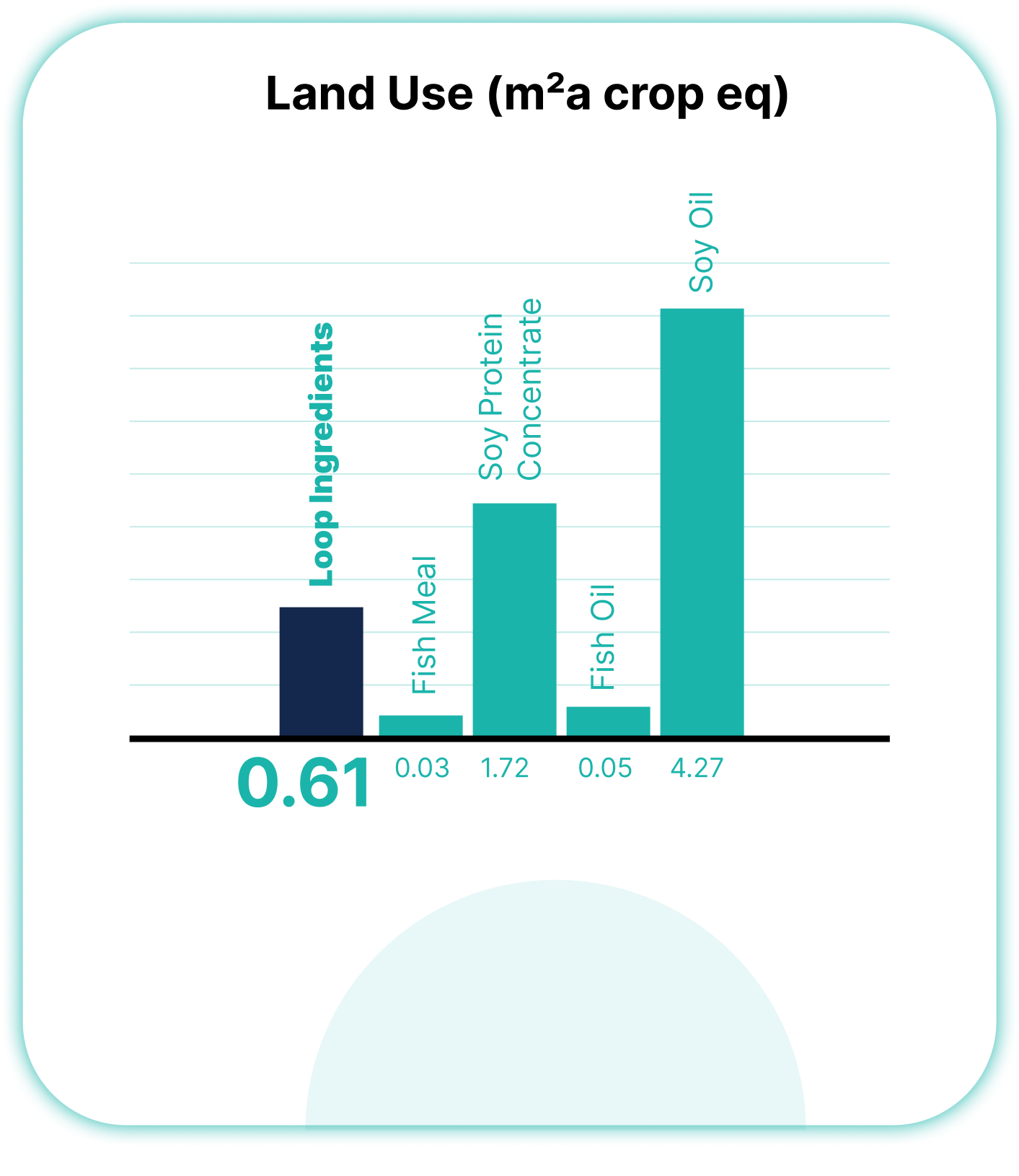
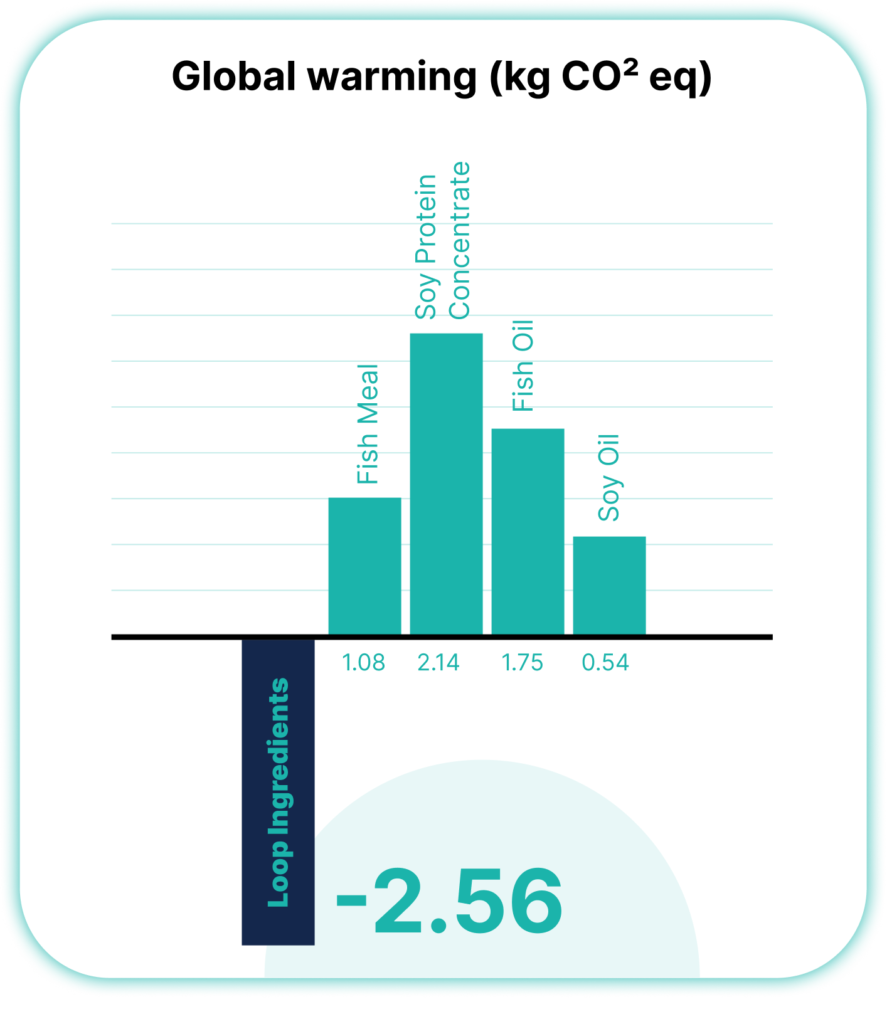
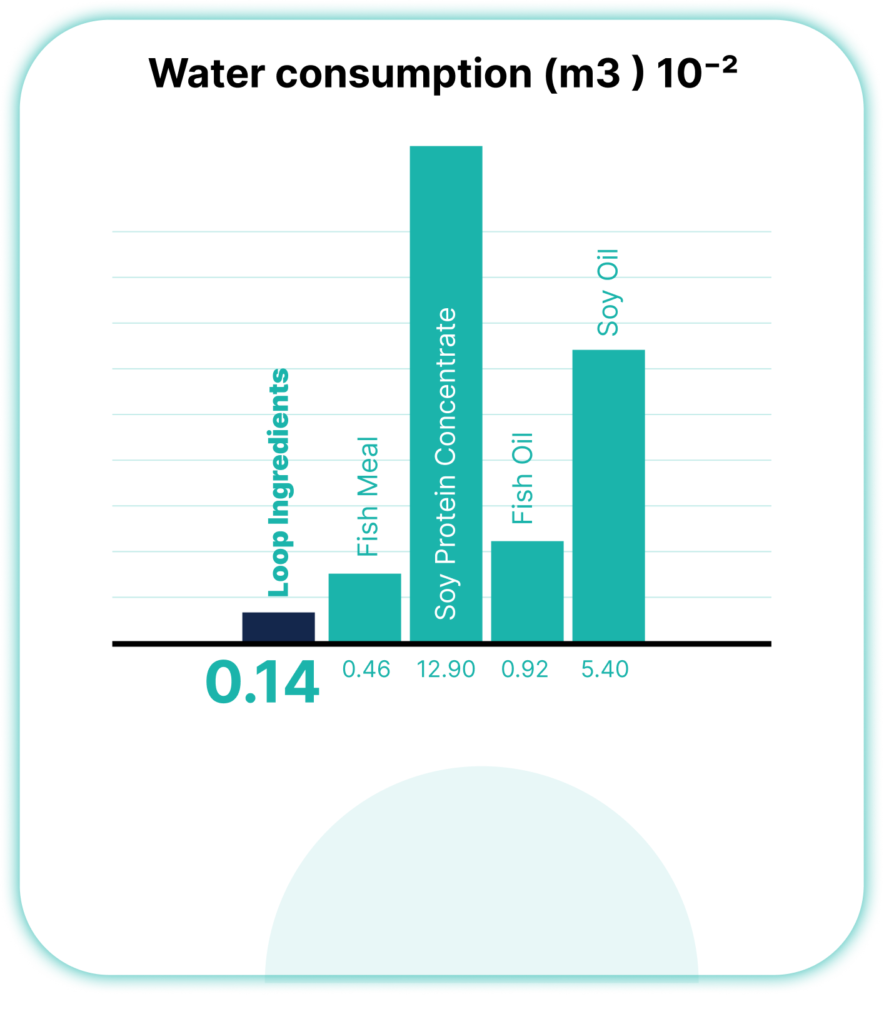
Through a proprietary production process, Loopworm manufactures sustainable alternative proteins and fats in the form of insect protein meal and insect oil.
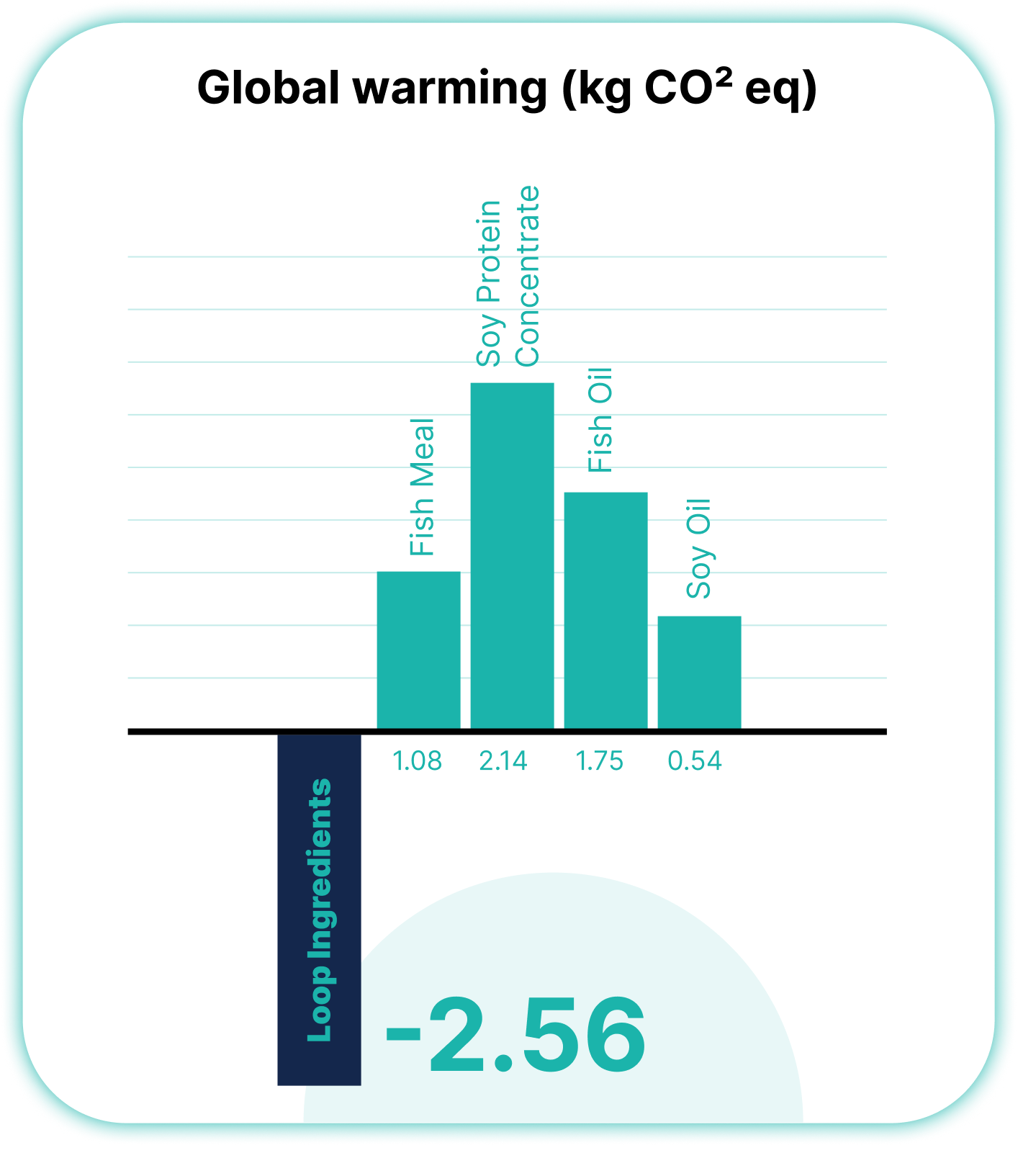
To independently evaluate the environmental performance of its products, Loopworm commissioned a Life Cycle Assessment (LCA) conducted by PricewaterhouseCoopers Private Limited (PwC India) in accordance with ISO 14040 and ISO 14044 standards.
Environmental impacts were modelled using SimaPro v9.0.5, with background datasets sourced from Ecoinvent 3.9, and assessed using the ReCiPe midpoint (hierarchist) methodology.
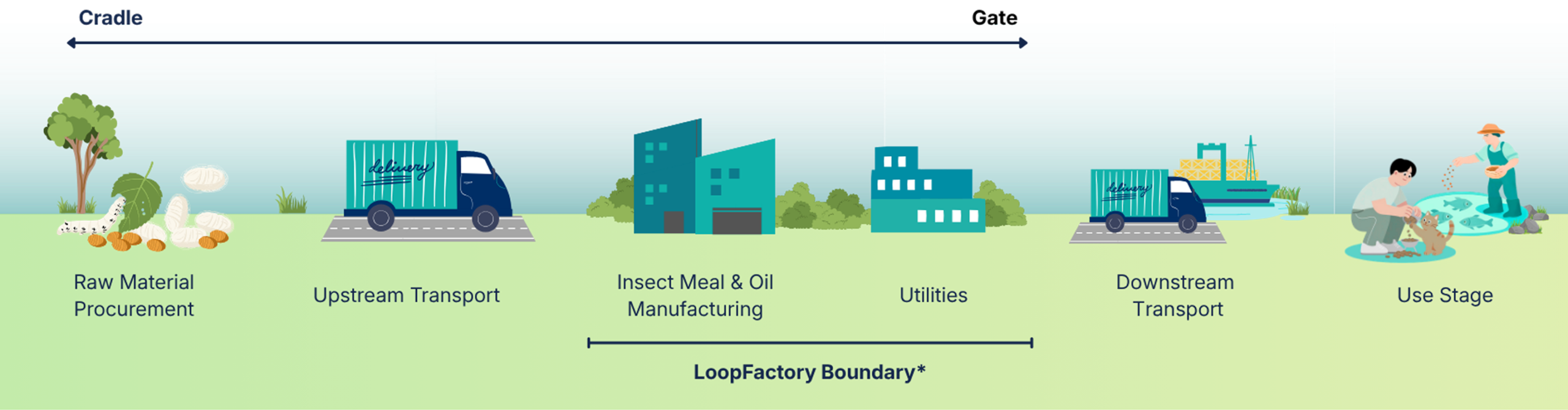
The study adopts a cradle-to-gate system boundary, covering raw material procurement (including diversion of wet silkworm pupae), upstream transportation, manufacturing processes at Loopworm’s India (Bangalore) facility, and product packaging.

 English English
 French
 German
 Korean
 Spanish
 Japanese English English French German Korean Spanish Japanese
 Vielen Dank, dass Sie sich bei uns gemeldet und uns Ihre Angaben mitgeteilt haben.
Unser Team wird sich in Kürze mit Ihnen in Verbindung setzen.